




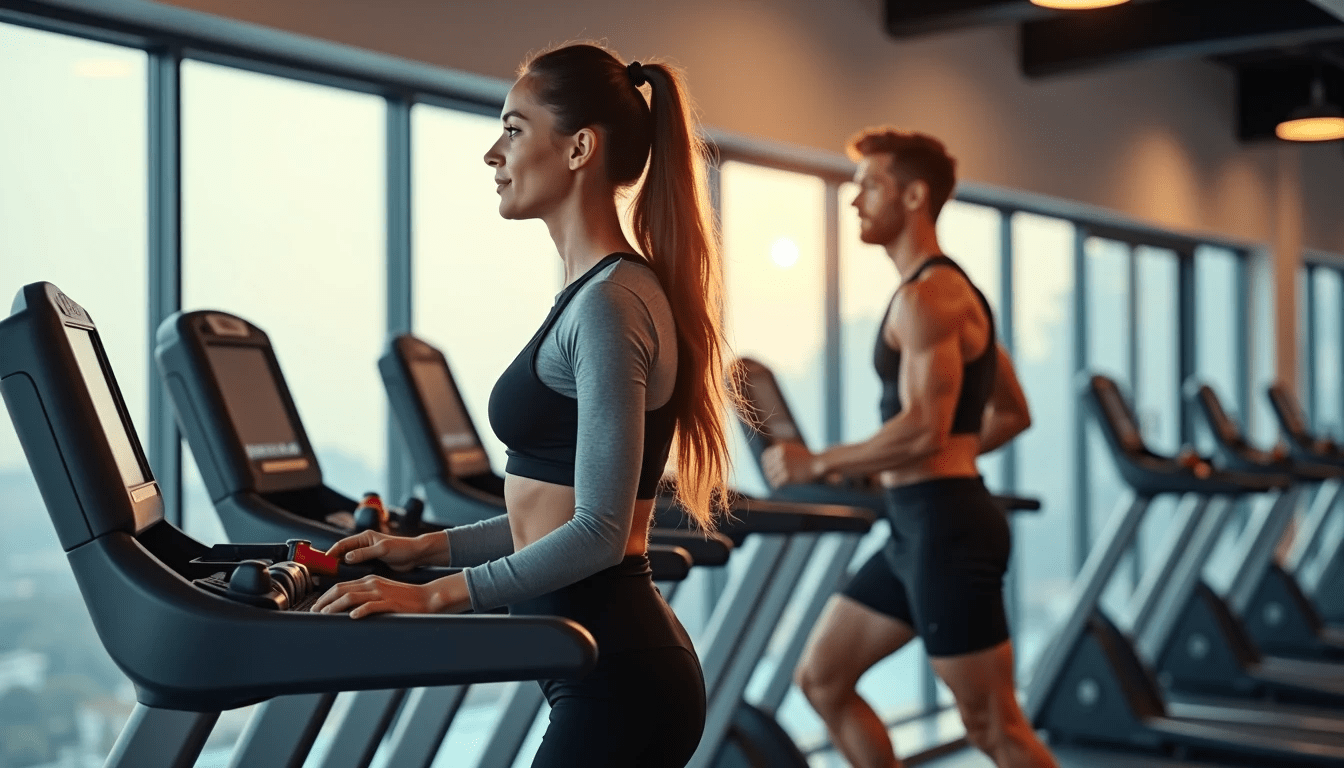
Coffee and Sports: An Ideal Combination or a Performance Risk?
For many of us, a morning cup of coffee is an essential start to the day, but it is increasingly becoming an important part of fitness rituals as well. Whether you are a recreational runner, a crossfitter, or a passionate cyclist, you likely perceive caffeine as a legal doping agent that helps you squeeze the maximum out of yourself. The question, however, is: how does coffee really affect our body during physical exertion, and how should you time it correctly so that it helps you rather than causes harm?
The main star of this combination is, of course, caffeine. It acts as a powerful stimulant of the central nervous system that can block adenosine receptors – the substance responsible for feelings of fatigue. The result is not only an immediate surge of energy and better concentration but also a demonstrable reduction in perceived exertion. Simply put, thanks to coffee, a difficult workout will seem a little easier, allowing you to push your existing limits just a little bit further.
Caffeine in coffee does not add direct strength to muscles, but it perfectly convinces the brain that the body can handle one more extra repetition.
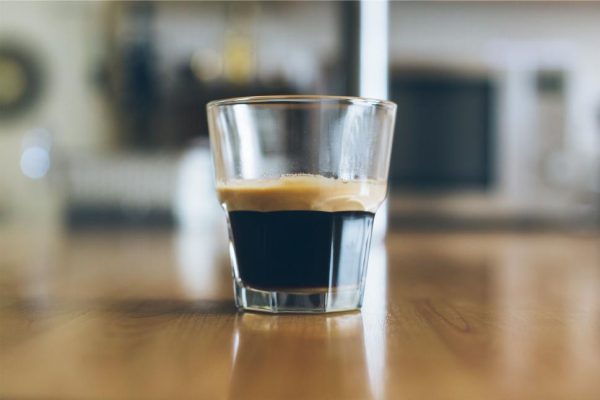
However, to get the most out of coffee, correct timing and form are important. The maximum concentration of caffeine in the blood occurs approximately 45 to 60 minutes after drinking, so the ideal time for a pre-workout espresso is roughly an hour before the planned activity. Forget large milky lattes or cappuccinos with sugar, though. Before intense performance, the best choice is a pure espresso or filter coffee, which will not burden your stomach with the lengthy digestion of dairy fats.
Beyond pre-workout stimulation, coffee also has its place afterward. Research suggests that the combination of caffeine and carbohydrates after physical exertion helps the body replenish muscle glycogen stores faster, which significantly speeds up overall recovery. You don’t need to fear the old myth about dehydration, either. If you drink coffee regularly, your body is accustomed to it, and a normal cup before sports will not negatively affect your hydration, provided, of course, you do not forget your regular fluid intake throughout the day.

One shouldn’t forget that coffee stimulates the release of adrenaline, which helps mobilize fatty acids from fat tissues, which the body can then use as an effective energy source during endurance sports. Instead of expensive, artificial pre-workout stimulants full of chemicals, you have a purely natural product at your disposal. Specialty coffee is full of antioxidants that help the body fight inflammation and oxidative stress caused by intense exercise.
Coffee and sports simply make a perfect team if you respect your body’s needs and bet on quality. Watch how your stomach and heart rate react to caffeine, and find your ideal pre-workout routine. If you are looking for the right start before your run or visit to the gym today, stop by our bar. Our baristas will be happy to prepare a truly strong espresso or grind fresh beans for your home boost. We wish you a great workout, and see you at the finish line!