




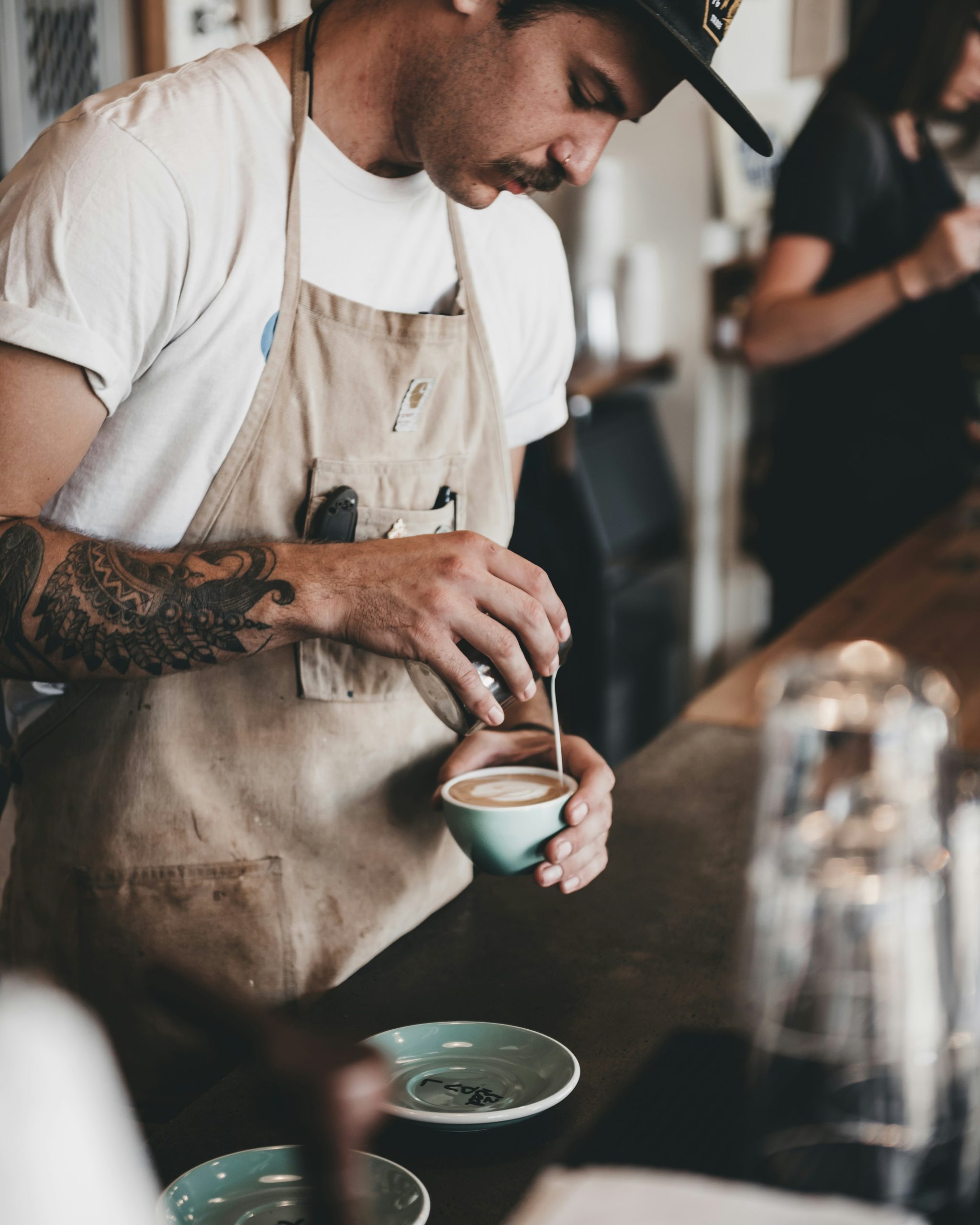
Decaffeinated Coffee: How to Prepare It at a Barista Level?
Interest in decaffeinated coffee in modern cafes is skyrocketing. It is long gone the days when it was only sought after by the older generation or pregnant women. More and more young people who embrace a healthy lifestyle are switching to a “decaf” variant in the afternoon and evening hours so as not to ruin their sleep. For cafe owners, this means a clear challenge: decaffeinated coffee must no longer be just that overlooked box in the corner of the bar that the barista pulls out once a week. If you want to succeed, you must serve it with the same quality as classic specialty coffee.
When introducing decaf to the menu, operators face a fundamental dilemma – buy pre-ground coffee or invest in the whole bean version? While buying ground coffee is an inexpensive and quick way to start, it brings a huge pitfall in the form of rapid aging. Since ground coffee loses most of its aromas within fifteen minutes of grinding, the barista must fight a difficult battle against oxidation. In addition, with ground coffee, you do not have the option of adjusting the grind size, so fine-tuning the perfect extraction recipe is much more complex.
Decaffeinated coffee is no longer just a necessary compromise on the menu, but is becoming a full-fledged benchmark of quality for a modern cafe.
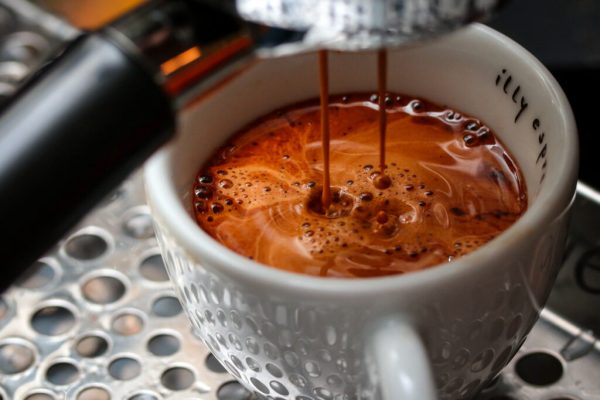
The preparation of decaffeinated coffee is significantly influenced by the decaffeination process itself, which makes the beans more porous. In practice, this means that such coffee extracts much faster than regular beans. Therefore, the barista must account for a shorter extraction time, and often, slightly lowering the water temperature on the coffee machine also helps. If you are working with pre-ground coffee, the key to success is perfect distribution in the portafilter – this is where barista tools like the WDT tool come in, which help break up clumps and prevent unwanted channeling.
However, if you are really serious about decaf, the best solution is to buy whole beans and get a second grinder. This guarantees your guests absolute freshness and fullness of flavor. You can choose either a dedicated espresso grinder if you expect high sales, or a universal grinder for so-called “single dosing” (grinding in individual portions). While this second option requires a bit more time and precision from the barista, it saves valuable bar space and allows you to offer a decaf alternative not only for espresso but also for filter coffee.
The process of decaffeination itself (whether using the gentle CO2 method or the Swiss Water Process) can now preserve wonderful flavor profiles in the beans. Modern decaf specialty coffees can taste fantastic, full, and sweet – from chocolate notes to a pleasant fruity acidity that pairs perfectly with warm, frothed milk. When you serve a customer a cappuccino where they can’t tell they’re drinking a decaf version, you’ve won.
Do not underestimate the power of the “decaf” community, therefore, and approach this preparation with the same seriousness you devote to your main coffee menu. Train your baristas to be able to advise customers and explain the differences in caffeine content. The result will not only be higher sales in the late afternoon hours but, above all, loyal regulars who appreciate that they can get a top-notch coffee experience at any time of day. Do you already have a grinder ready at your bar for a decaf hit?